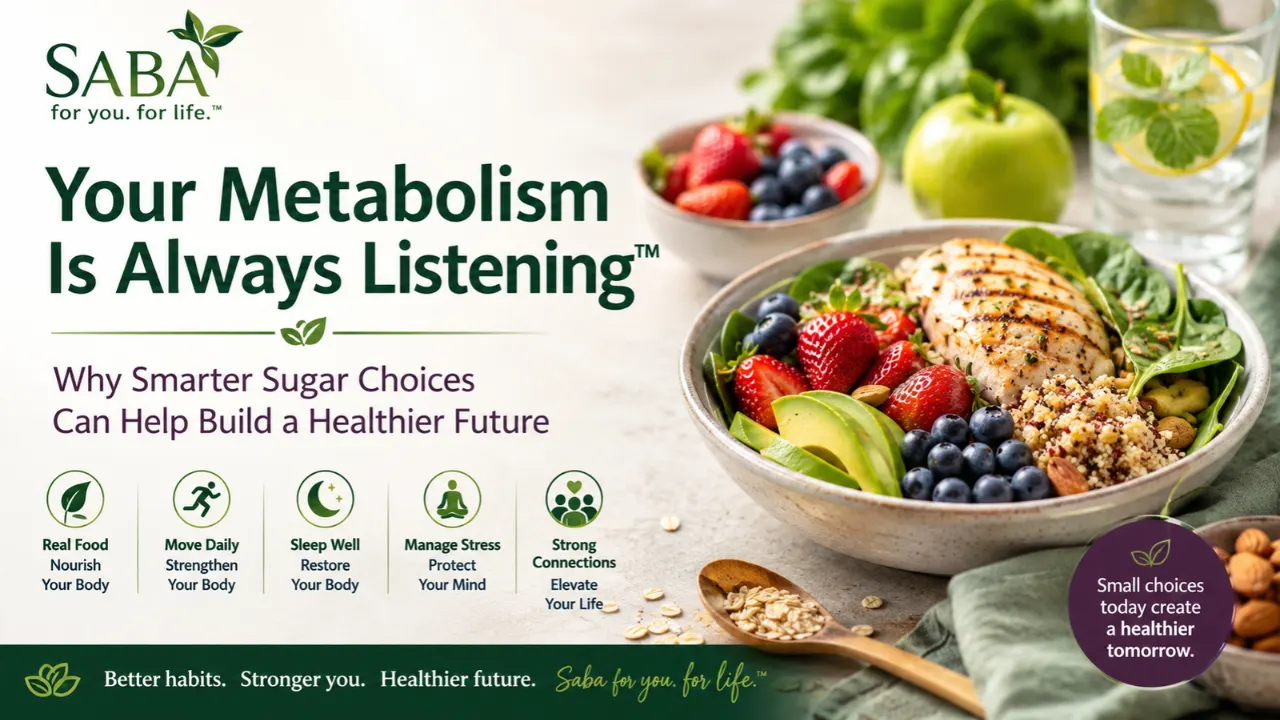
10 Simple Strategies to Eat Better, Support Your Metabolism and Build Healthier Habits for Life
Nutrition has become far too complicated. Low carb. Low fat. Keto. Fasting. High protein. Plant based. Every week another trend claims to know what you should eat, what you should eliminate, and what you have supposedly been doing wrong all along.
But what if better nutrition did not begin with another restrictive diet. What if it began with something much simpler. Eat real food. Nourish your body. Build better habits.
Food is more than calories. It provides protein to support muscle, fiber to support digestion, essential nutrients your body depends on, and compounds that help shape a healthy gut microbiome. The goal is not perfection. The goal is making smarter choices more often. Here are ten practical, generic strategies to help you build a healthier and more sustainable approach to nutrition.
1. Start With Real Food
Vegetables, fruit, fish, eggs, lean proteins, beans, lentils, whole grains, nuts, and seeds all provide protein, fiber, vitamins, minerals, and naturally occurring plant compounds. You do not need to eliminate every processed food. Simply shift the balance toward foods that still resemble food.
2. Build a Smarter Plate
Fill half your plate with colorful vegetables and fruit. Fill a quarter with quality protein such as fish, poultry, eggs, yogurt, beans, or tofu. Fill the remaining quarter with fiber rich carbohydrates like oats, quinoa, brown rice, or sweet potatoes. This is one of the most effective healthy eating habits anyone can adopt.
3. Make Fiber a Daily Priority
Fiber supports digestion and helps create satisfying meals. It also feeds the community of microorganisms living in your gut, which is central to supporting metabolism through nutrition.
4. Think Beyond Probiotics
Probiotics are live cultures found in foods like yogurt and kefir. Prebiotics are compounds found in onions, garlic, oats, and legumes that feed beneficial gut bacteria. Dietary diversity, food quality, and consistency matter more than any single food.
5. Choose Better Fats
Extra virgin olive oil, avocados, nuts, seeds, and fatty fish provide healthier sources of fat. Be mindful of processed foods high in saturated fat, sodium, and added sugar. Fats are calorie dense, so portions still matter.
6. Protect Your Muscle With Protein
Muscle supports strength, movement, and long term health. Pair quality protein with regular strength based activity for the best results.
7. Make Water Your Default Beverage
Water should be the primary drink for most people. Unsweetened coffee and tea can also fit into a healthy pattern. Watch for hidden sugar in soda, sweetened tea, and flavored coffee drinks.
8. Snack With Purpose
Plan snacks that combine protein and fiber, such as an apple with nut butter or yogurt with berries, instead of reacting to hunger in the moment.
9. Create a Kitchen That Supports Your Goals
Keep simple, nourishing ingredients on hand using a basic formula of protein, color, fiber, and healthy fat. This is one of the easiest ways to build sustainable healthy eating habits at home.
10. Stop Chasing Perfection
One meal or one difficult week does not define your health. Long term wellness is built through consistent patterns, not punishment or restriction.
Key Takeaways
If you remember nothing else, remember this. Eat more real food. Fill your plate with color. Prioritize protein and fiber. Choose healthier fats. Drink more water. Nourish your gut. Protect your muscles. Plan ahead. Build habits you can actually maintain. You do not need another extreme diet. You need a practical nutrition strategy that works in the real world, one choice at a time.
Disclaimer
This article is provided for general educational and informational purposes only and is not intended as medical advice, diagnosis, or treatment. Individual nutritional needs may vary. Consult your physician or a qualified healthcare professional before making significant changes to your diet, exercise, or supplement routine, especially if you have a medical condition or take medication.
Statements regarding dietary supplements have not been evaluated by the U.S. Food and Drug Administration. Dietary supplements are not intended to diagnose, treat, cure, or prevent any disease.
© 2026 AMS Health Sciences, LLC. All rights reserved.